Build practical web-design and frontend foundations through HTML5, CSS3, responsive design, Bootstrap, JavaScript basics, UI/UX, Figma, Git and GitHub—then apply those skills during three months of guided major website project development.
The program follows a clear 3 + 3 structure: the first three months focus on web-design learning, assignments and starter portfolio exposure; the next three months focus on a complete website project, responsive polish, GitHub documentation, README writing and project explanation.
Suitable for B.Tech, BCA, MCA and diploma students, final-year students, beginners, freshers, career switchers and learners interested in web designing, UI/UX and frontend foundations.
Build HTML, CSS, responsive, Bootstrap, JavaScript, UI/UX, Figma and GitHub foundations.
Plan, build, test and refine a complete website with mentor guidance.
Organize source files, maintain a repository and document project flow clearly.
Prepare screenshots, case-study notes and project explanation for review.
The first half develops practical web-design foundations. The second half applies those skills in a complete project workflow.
Build practical confidence in website structure, layout, responsiveness, UI planning, interactions, debugging and GitHub basics.
Apply the learned skills through one complete website project with planning, responsive polish, GitHub and documentation.
The exact pace may vary by batch and student readiness, but the learning moves from foundations to a documented major project.
Semantic HTML, forms, CSS styling, typography, spacing, box model and clean sections.
Flexbox, Grid basics, media queries, Bootstrap and multi-page website assignments.
Small interactions, UI planning, wireframes, GitHub basics and starter portfolio exposure.
Choose the project, define the goal, prepare the sitemap and plan the pages.
Build homepage, inner pages, reusable sections, forms and suitable interactions.
Refine responsiveness, test browsers, complete GitHub and README, and prepare project explanation.
These assignments prepare students for the major project phase.
Build home, about, services and contact pages using clean HTML and CSS structure.
Create a mobile-friendly page with hero, cards, CTA, FAQ and contact sections.
Convert a simple Figma layout or wireframe into a responsive coded page.
Add menu toggle, FAQ accordion, tabs, form message or show/hide content.
The final three months focus on a guided website project that combines planning, development, testing and documentation.
Students apply HTML, CSS, Bootstrap, JavaScript basics, responsive design, UI/UX thinking and GitHub in one complete website workflow.
Exact project scope depends on batch pace, available tools, assignment progress and student readiness.
Discuss the website idea, define users and goals, and plan pages and navigation.
Plan the homepage, inner pages, sections, visual hierarchy and reusable components.
Build header, footer, page sections, forms, reusable styles and suitable interactions.
Correct mobile and tablet layouts, spacing, navigation, images and content flow.
Check browsers, mobile sizes, forms, interactions and layout issues.
Organize the repository and document purpose, pages, tools, setup and project flow.
The goal is to produce website work that can be improved, documented and explained clearly.
A complete multi-page or detailed single-page website with responsive design.
Organized source files, meaningful folders and basic version history.
Project purpose, pages, features, tools, setup steps and workflow.
Screenshots, explanation notes and practice for college or fresher discussions.
Project selection depends on student progress, batch pace, project suitability and readiness.
Homepage, about, skills, projects, contact and responsive portfolio presentation.
Homepage, services, about, trust section, FAQ and contact page.
Course page, program cards, batch details, enquiry CTA, FAQ and counselling sections.
Hero, benefits, features, pricing or program cards, lead form and final CTA.
Article layout, category cards, related posts, sidebar and readable structure.
Features, gallery, comparison, contact form and responsive layout.
Deliverables depend on the selected project and final completion status.
Organized HTML, CSS, JavaScript, image and asset files.
Tested layouts for desktop, tablet and mobile screens.
Figma or simple layout-planning notes where applicable.
Uploaded project files, folder structure and basic commit history.
Purpose, features, tools, pages, setup and workflow.
Selected desktop and responsive views for portfolio use.
Organized project summary and selected website views.
Project goal, decisions, challenges and improvement discussion.
Exact tools may vary by batch, project and suitability.
Write and organize HTML, CSS and JavaScript files.
HTML5, CSS3, Flexbox, Grid basics, responsive design and Bootstrap.
DOM events, simple validation and interactive sections.
Wireframes, UI layouts, spacing and design-to-code planning.
Project upload, version history and documentation.
Responsive checks, CSS inspection and basic debugging.
Prepare banners, web graphics or suitable image assets.
Understand suitable static website hosting and presentation options.
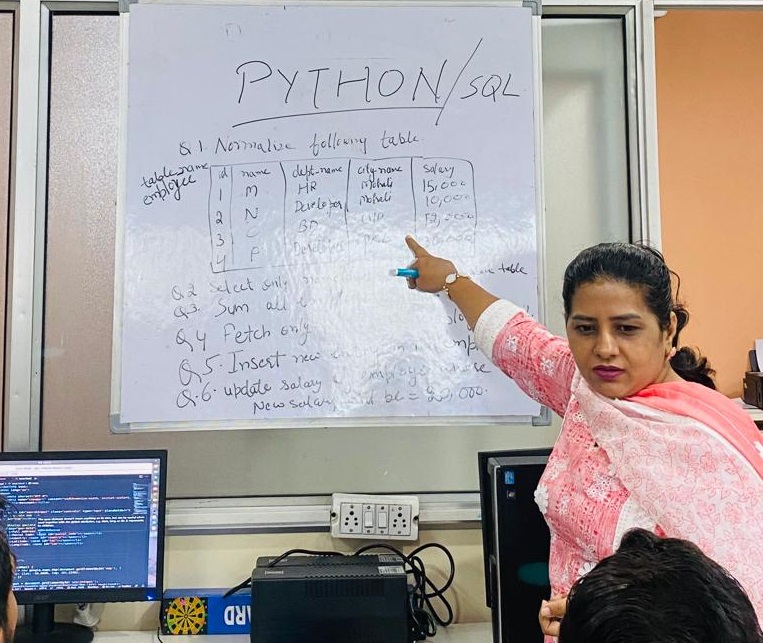
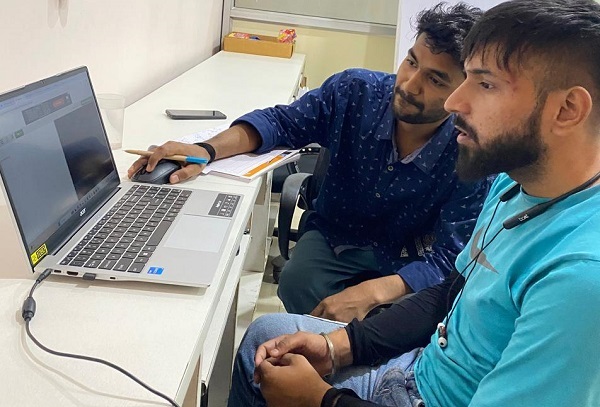
Students practice code, responsive layouts, debugging, GitHub and project explanation with direct mentor guidance.
Support is based on participation, assignments, project completion and academy process.
Training-completion certificate support may be available based on attendance, assignments and completion criteria.
Students may receive guidance for website screenshots, GitHub, README and project presentation.
Resume direction, project discussion, interview-preparation basics and suitable opportunity sharing when available.
Zestminds Academy does not promise guaranteed jobs or fixed salaries. Final progress depends on student practice, design sense, coding consistency, project quality, communication and interview performance.
Review the essential program information before booking counselling.
Address:
E-45, Industrial Area, Phase 8, Mohali
Students from Chandigarh, Panchkula, Kharar, Zirakpur and nearby Tricity areas can attend the offline program at the Mohali campus.
Need a shorter foundation or a structured three-month program?
Compare All Web Design ProgramsQuick answers for students and parents before joining the program.
The program duration is 6 months. The syllabus asks students to confirm the current fee and seat availability during counselling.
The first 3 months focus on web-design learning and frontend foundations. The next 3 months focus on a major website project, GitHub documentation and portfolio preparation.
It is an offline classroom program conducted at Zestminds Academy’s Mohali campus.
Yes. The program begins with HTML, CSS and responsive-design foundations before moving into JavaScript, Figma, GitHub and the major project.
The program covers HTML5, CSS3, Flexbox, Grid basics, responsive design, Bootstrap, JavaScript basics, Figma, UI/UX, Git and GitHub.
Yes. The final three months focus on a guided major website project with responsive testing, GitHub and README documentation.
Yes. Students receive guidance for repository structure, project files, README writing, screenshots and explanation notes.
Training-completion certificate support may be available based on attendance, assignments and completion criteria. Confirm exact details during counselling.
Yes. Students should bring a personal laptop for coding, Figma, GitHub and major project work.
No. The program focuses on practical learning, website projects, GitHub presentation, portfolio preparation and career guidance. Employment is not guaranteed.
Complete three months of web-design learning followed by three months of major website project development, GitHub documentation and portfolio preparation.
Fee: Confirm during counselling | Mode: Offline | Location: Mohali Campus
Fill the form and our training counsellor will contact you shortly.
Fill the form and our training counsellor will contact you shortly to book your free counselling appointment.